A seal number on paper
A QR-coded seal linked to the trip
Record and scan unique seal references so teams can review duplication and mismatches.
Mineral transport · Chhattisgarh
GPS tracking and QR-coded seal verification for mineral trucks serving Chhattisgarh. Connect source checks, journey monitoring and receiving-plant verification.
For steel, ferroalloy, power-generation and enterprise transport teams.
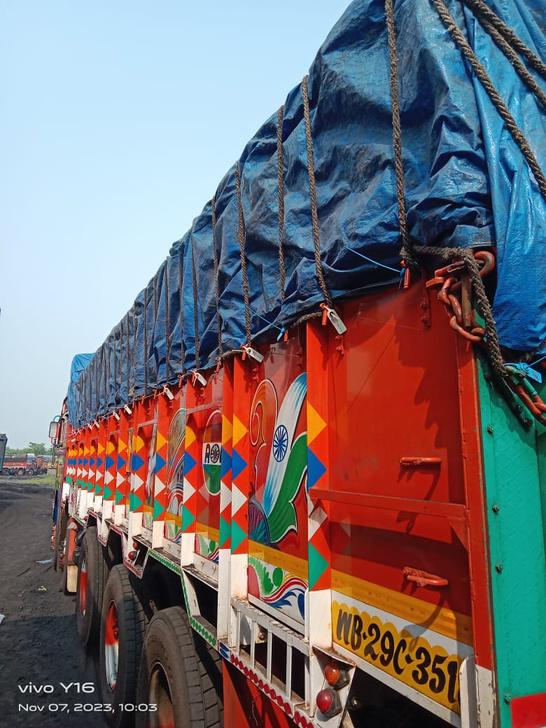
Start with the physical check
Tarpaulin. Fastening.
Seal references.
Seal verification
A unique QR reference for the trip.
Scan at source. Compare at receipt.
GPS visibility
Keep the movement in view.
Location, playback and exceptions.
Geofence checks, QR scans and dispatch evidence.
GPS visibility, route playback and exception alerts.
Compare seals, inspect the truck and report discrepancies.
Close the gaps
Paper references, manual follow-ups and inconsistent checks make a mineral trip harder to review. Connect the evidence each team needs at the next handoff.
Record and scan unique seal references so teams can review duplication and mismatches.
Use location updates, movement history and alerts to guide operational follow-up.
Compare the arriving seals with the dispatch record before completing the receiving handoff.
Standard operating procedure
Follow a clear procedure at the loading point, during transit and at the destination. Give every seal check and exception an accountable next step.
A seal check supports the transport-security review. Weighbridge records, sampling and material acceptance remain part of the plant's receiving procedure.
Assign GPS and seals at the designated loading location. Geofence controls restrict seal scanning outside the source area.
Source location + trip assignment
Check the covering, fasten the tarpaulin bolts with seals, and upload images of the driver and goods before dispatch.
Seal references + inspection images
Technicians follow the installation SOP and report suspicious conditions to the responsible team before departure.
Dispatch check + escalation
Operations teams review GPS updates, route playback and alerts, contact the driver when needed, and report exceptions to the client.
Journey context + response record
Inspect the tarpaulin and truck, compare arriving tag seals with the uploaded references, and report mismatches to operations and plant teams.
Destination check + trip closure
Fleetzz alerts
Bring journey milestones, unusual movement and seal discrepancies to the teams responsible for the trip.
Keep the dispatch and receiving teams informed.
Identify the journeys that need a closer look.
Bring discrepancies into the operational review.
Agree notification settings and recipients for your lane. An alert starts an operational review; the team records the follow-up and receiving action.
The platform and the people
Bring field checks, journey visibility and reporting into the web and mobile workflow. Keep dispatch, operations and plant receiving working from shared references.
One place for the trip record
Review trip status, driver and transporter details, seal records and the unloading handoff.
From installation to receiving
Support field teams with trip updates, seal verification and driver and transporter information.
Records for operations and MIS
Review vehicle and seal information, turnaround time and compiled trip summaries.
Updates across the handoffs
Send trip-start and trip-end email updates, and flag seal mismatches during uninstallation.
Support scope agreed for your lanes
Connect customer support and operational analysis with the teams following your mineral movements.
Chhattisgarh enterprise lanes
Bring procurement, logistics, security, the transporter and plant operations into the same lane review. Start with your actual mine-to-plant or port-to-plant truck movement.
Connect raw-material logistics, plant security and receiving teams around the same trip and seal references.
Review the truck-served part of fuel and mineral supply, with source inspections and destination verification.
Agree the shipper's sealing procedure, driver follow-up and receiving handoff before deploying across contracted trucks.
Questions before rollout
Start with the truck body, the loading location and the plant's receiving procedure. Define the workflow for the lane you actually operate.
Fleetzz combines GPS tracking, QR-coded seal verification and source-to-destination SOPs for enterprise mineral movements. The workflow covers loading-point geofences, tarpaulin inspections, journey monitoring and receiving-plant seal checks.
Yes. Define the actual loading location and the Chhattisgarh receiving plant for the truck-served lane. A supplying port may be outside Chhattisgarh; its dispatch checks and source geofence are configured for that location.
At source, technicians scan unique QR-coded seals within the loading geofence and record the tarpaulin and fastening checks. At destination, they inspect the truck and compare arriving seals with the uploaded source references. Mismatches are reported to operations and plant teams.
Bring the loading point, receiving plant, truck-body details, transporter arrangements and present security procedure. Review geofences, seal placement, installation and receiving responsibilities, alert recipients, support coverage and trip-report requirements.
The sealing procedure includes tarpaulin integrity checks and seals at the fastening points. Review your vehicle body, load covering and accessible openings with Fleetzz so the agreed seal placement matches the actual truck configuration.
No. GPS and seal records support the transport-security review; they do not measure tonnage or certify material grade. Keep the plant's weighbridge, sampling and material-acceptance checks alongside destination seal verification.
Start with one operating lane
Share the loading point, receiving plant, truck types and current sealing process. Review GPS, QR-seal verification and operational support for your deployment.